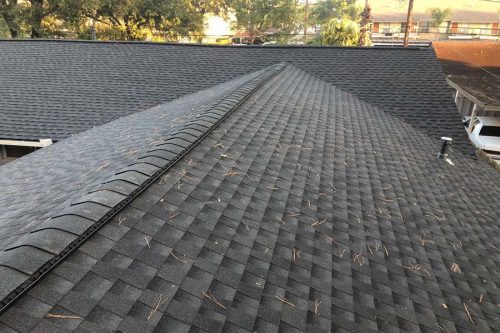
We’re facing a pivotal decision when it comes to protecting our Katy homes from the intense Texas elements. Between scorching summer heat, sudden thunderstorms, and the occasional hailstorm, our roofs must withstand significant challenges. While several roofing materials can work for our climate, each option comes with distinct advantages and limitations that’ll impact our homes’ durability, energy efficiency, and value. Let’s examine the best choices for our unique weather conditions.

Key Points
- Metal roofing offers superior longevity and wind resistance up to 140 mph, making it ideal for Katy’s severe weather conditions.
- Traditional asphalt shingles provide affordable protection with a 15-30 year lifespan but may require maintenance in extreme heat.
- Tile roofing delivers 50+ years of durability and excellent insulation, though homes must have adequate structural support.
- Cool roofing materials with reflective properties can reduce energy costs by 25% during Katy’s intense summer months.
- Class A fire-resistant materials like metal and tile offer maximum protection while maintaining aesthetic appeal for residential homes.
Understanding Katy’s Climate Challenges for Roofing
Three major climate factors in Katy, Texas create unique challenges for residential roofing: intense summer heat, high humidity, and periodic severe storms.
We experience temperatures that regularly exceed 90°F during our long summers, which can accelerate shingle deterioration and reduce roof lifespan. Our high humidity levels, often above 75%, create perfect conditions for algae and mold growth, potentially compromising roofing materials and underlying structures.
When severe storms hit our area, they bring risks of wind damage, hail impact, and heavy rainfall. These weather events can test even the most durable roofing systems. That’s why we need to select materials that can withstand UV exposure, resist moisture accumulation, and maintain structural integrity during extreme weather. Understanding these climate challenges helps us make informed decisions about roofing investments. The thermal stress damage caused by extreme temperature fluctuations can significantly weaken roofing materials and increase the risk of leaks.
Traditional Asphalt Shingles: Benefits and Limitations
Given Katy’s challenging climate conditions, let’s examine the most common residential roofing choice: asphalt shingles. These affordable options come in two main varieties: three-tab and architectural shingles, with lifespans ranging from 15-30 years depending on the grade selected.
We appreciate asphalt shingles for their straightforward installation, wide color selection, and proven track record in our community. They’re designed to withstand winds up to 110 mph and offer decent protection against our occasional hail storms. However, they can struggle in extreme heat, potentially warping or cracking during our intense summer months.
While asphalt shingles provide reliable protection for most Katy homes, they do require regular maintenance and may need replacement sooner than other premium materials in our climate. Our team of highly trained experts can help determine if asphalt shingles are the right choice for your specific roofing needs.
Metal Roofing Solutions for Texas Weather
Metal roofing stands up exceptionally well to Katy’s harsh weather conditions, offering superior durability with a lifespan of 40-70 years. We recommend considering metal roofing for its energy efficiency and resistance to extreme weather. Let’s explore the key features and options available for our Texas climate.
| Feature | Benefit |
|———|———-|
| Reflectivity | Reduces cooling costs |
| Wind Rating | Withstands 140+ mph gusts |
| Impact Resistance | Protects against hail damage |
| Fire Rating | Class A fire resistance |
| Sustainability | 100% recyclable material |
When installed by certified professionals, metal roofs provide excellent protection against our intense sun, torrential rains, and occasional hail storms. While the initial investment is higher than traditional materials, we’ll benefit from reduced maintenance costs and enhanced home protection over the decades to come. Our Standing Seam Metal Roof installations deliver a modern aesthetic while maximizing durability and energy efficiency.
Tile Roofing Options: Durability Meets Style
While metal roofing excels in durability, tile roofing systems offer an unmatched combination of longevity and architectural appeal for Texas homes. We’ve seen clay and concrete tiles withstand our harsh climate for 50+ years while adding timeless beauty to neighborhood properties.
Let’s explore your tile options. Clay tiles create that distinctive Mediterranean or Spanish Colonial look we love in Katy, while concrete tiles offer versatility in styles from slate-look to contemporary designs. Both materials provide excellent fire resistance and energy efficiency by creating natural ventilation under the tiles.
We recommend considering your home’s structural support, as tiles weigh more than other materials. When properly installed with appropriate underlayment, tile roofs protect against wind uplift and maintain their color despite intense UV exposure. Comprehensive roof inspections help ensure your tile roofing system maintains its integrity and longevity for decades to come.
Energy-Efficient Roofing Materials for Hot Summers
Because Texas homeowners face soaring cooling costs during brutal summers, selecting an energy-efficient roofing material should be a top priority. We recommend considering cool metal roofing with reflective coatings that can reduce energy costs by up to 25%. These materials reflect sunlight and emit absorbed heat better than traditional asphalt shingles.
Light-colored concrete tiles are another excellent option we often suggest, as they naturally reflect sunlight and provide additional insulation. For maximum efficiency, we’ve found that adding a radiant barrier beneath your roofing material can drastically enhance its cooling properties.
Look for materials with high solar reflectance and thermal emittance ratings – these numbers tell us how effectively the roof will reflect sunlight and release absorbed heat. Let’s prioritize Energy Star-certified products, which meet strict energy performance standards. Installing a radiant barrier system can block up to 97% of radiant heat transfer, making your home significantly more energy efficient.
Cost Comparison of Popular Roofing Materials
Let’s examine how different roofing materials stack up with regard to cost, from asphalt shingles at $4-8 per square foot to premium materials like slate at $15-25 per square foot.
When we consider the total investment, we’ll need to factor in not just material costs but also installation expenses, maintenance requirements, and expected lifespan of each option. While the upfront costs might seem challenging, we must look at the long-term value proposition, including energy savings, durability, and potential insurance benefits that certain materials can provide.
Standing seam metal roofing offers exceptional value with its low maintenance needs and weather-resistant properties.
Initial Investment Breakdown
Understanding the initial costs of different roofing materials can greatly impact your budget and long-term investment strategy. Let’s break down the typical costs per square foot (installed) for the most common options in Katy:
We’ll start with asphalt shingles at $3.50-$5.50, which offer the most economical entry point. Metal roofing comes in at $8-$14, while concrete tiles range from $9-$16.
Clay tiles represent a premium option at $12-$18, and slate tops our list at $15-$25.
Long-Term Value Analysis
Making an informed roofing decision requires looking beyond initial costs to evaluate the true long-term value of each material option. When we analyze cost per year over a roof’s lifespan, metal and slate emerge as the most economical choices, despite higher upfront expenses.
While asphalt shingles cost $4-5 per square foot initially, they typically need replacement after 20 years. In contrast, metal roofing at $10-12 per square foot can last 50+ years, reducing the annual cost dramatically.
We’ve found that premium materials like slate and metal also increase property values and reduce maintenance expenses over time. These materials offer superior weather resistance and require fewer repairs, making them increasingly popular among homeowners who want lasting protection.
Let’s factor in energy efficiency too – reflective materials can lower cooling costs extensively.
Material Price Ranges
While every roofing project has unique requirements, today’s market offers materials across a wide price spectrum. We’ll help you understand typical price ranges per square foot (installed) for the most common roofing materials in Katy.
- Entry-level 3-tab asphalt shingles range from $3.50 to $5.50, making them our most economical option for budget-conscious homeowners
- Mid-range architectural shingles and metal panels typically cost between $7.00 and $12.00, offering enhanced durability and curb appeal
- Premium materials like slate, tile, and synthetic alternatives command $15.00 to $30.00, reflecting their superior longevity and distinctive appearance
Longevity and Maintenance Requirements
Different roofing materials offer varying lifespans and demand distinct maintenance schedules that’ll impact your long-term costs and commitment. We commonly see asphalt shingles lasting 15-30 years with basic annual maintenance, while metal roofs can endure 40-70 years with minimal upkeep beyond periodic inspections.
Clay and concrete tiles boast impressive 50-100 year lifespans but require occasional replacement of cracked tiles and regular cleaning to prevent moss growth.
For our climate here in Katy, we recommend scheduling professional inspections twice yearly, regardless of your roofing material. This helps us catch potential issues before they become major problems. Wood shakes need the most frequent maintenance, including regular cleaning and treatments for moisture and insects, while slate roofs offer exceptional durability with minimal care requirements.
Post-storm inspections are crucial after severe weather events to identify potential damage and prevent costly structural issues down the line.
Impact-Resistant Materials for Storm Protection
Storm damage poses a significant threat to roofing systems, which is why impact-resistant materials have become essential for homeowners in severe weather regions. We recommend considering specially engineered shingles and materials that can withstand harsh conditions and protect your home from hail, wind-driven debris, and falling branches.
When selecting impact-resistant roofing, look for these key features:
- Class 4 impact rating – the highest level of protection against hail and debris
- Reinforced polymers or modified asphalt that flex rather than crack on impact
- Interlocking design systems that prevent shingles from lifting in high winds
We’ve found that investing in impact-resistant materials can lower insurance premiums and reduce long-term repair costs, even though the initial investment may be higher than standard roofing materials. These materials offer peace of mind during severe weather events.
Our certified materials experts help homeowners select the optimal roofing solutions for maximum durability and protection.
Resale Value Considerations When Choosing Your Roof
When we’re evaluating roofing materials, we can’t overlook their significant impact on a home’s resale value, as premium materials like slate or architectural shingles often yield higher returns than basic options. We’ve found that investing in high-quality roofing materials not only protects your home but can increase its market value by 5-8% on average, making it a smart long-term financial decision.
Your choice of roofing material should also align with your neighborhood’s aesthetic and property values, as matching or slightly exceeding the local standard can help maintain strong resale potential.
Working with an authorized roofing applicator ensures proper installation of premium materials from trusted manufacturers like GAF and Owens Corning, maximizing your investment’s long-term value.
Market Impact of Materials
The choice of roofing material can markedly affect your home’s resale value, making it a pivotal factor in the overall investment decision. We’ve found that certain materials consistently command higher market premiums, particularly in our local real estate environment.
Let’s examine how different roofing materials impact market value:
- Premium materials like slate and metal can increase home value by 4-6%, offering excellent ROI despite higher upfront costs
- Traditional asphalt shingles, while budget-friendly, typically maintain but don’t enhance property value
- Environmentally sustainable options like solar tiles are gaining traction, potentially boosting resale value by up to 5% in eco-conscious markets
When selecting your roofing material, we recommend considering both current trends and projected market preferences in your area. This approach helps guarantee your investment aligns with future buyer expectations.
Long-Term Investment Benefits
Since roofing represents a significant portion of your home’s visible exterior, choosing materials with strong long-term investment potential can substantially impact your property’s future worth. We’ve found that premium materials like slate, clay tiles, and high-end architectural shingles typically offer the best return on investment, often recovering 70-80% of their initial cost through increased home value.
When we evaluate roofing materials for investment potential, we look beyond just durability. Energy efficiency, warranty coverage, and regional market preferences all play fundamental roles. Metal roofs, for instance, can boost resale value by appealing to buyers seeking low maintenance and energy savings. In Katy’s climate, materials that offer superior weather resistance and cooling properties don’t just protect your investment – they make your home more attractive to future buyers.
Neighborhood Property Values
Maintaining harmony with surrounding property values should guide your roofing material selection. We recommend analyzing your neighborhood’s predominant roofing styles and materials to guarantee your choice enhances, rather than detracts from, local property values. A well-chosen roof can drastically impact your home’s market position and your neighbors’ property values.
Premium materials like slate or architectural shingles can elevate your home’s value in upscale neighborhoods. Mid-range materials such as standard asphalt shingles typically sustain value in established communities. Budget-friendly options may be suitable in developing areas, but avoid materials that appear remarkably lower quality than surrounding homes.
When selecting your roofing material, we suggest consulting local real estate professionals to understand which options best align with your neighborhood’s value expectations and future market trends.
Frequently Asked Questions
Can I Install a New Roof Over My Existing One to Save Money?
While we don’t recommend installing a new roof over an existing one, it’s technically possible in some cases. However, this approach can hide underlying damage, add excessive weight to your structure, and void manufacturer warranties.
When we skip removing the old roof, we’re also missing the chance to inspect and repair the decking underneath. It’s best to start fresh with a complete tear-off.
What Permits Do I Need Before Starting My Roof Replacement Project?
We’ll need to obtain a building permit from the City of Katy’s Building and Permits Department before starting any roof replacement work. Don’t skip this vital step – it’s legally required and protects your investment.
We recommend contacting them directly at (281) 391-4830 or visiting City Hall to complete the application. They’ll review your plans, verify compliance with local building codes, and schedule necessary inspections.
How Long Does a Typical Roof Installation Take to Complete?
A typical residential roof installation usually takes 1-3 days to complete when we’re working with standard materials like asphalt shingles. However, we’ll need to factor in your home’s size, roof complexity, and weather conditions.
For larger homes or specialty materials like tile or metal, we might need 4-7 days. We’ll always provide you with a detailed timeline during our initial consultation so you’ll know exactly what to expect.
Should I Move Out of My House During Roof Replacement?
We don’t typically recommend moving out during roof replacement, but it’s worth considering if you’re sensitive to noise or have young children, elderly family members, or pets.
While you can stay in your home, you’ll experience significant noise and vibrations during working hours. If you decide to stay, we suggest creating a quiet space away from the work area and keeping pets indoors in a calm environment.
Are There Financing Options Available for Roof Replacement Projects?
Yes, we offer several financing options to help you manage your roof replacement costs. You’ll find traditional bank loans, home equity lines of credit (HELOC), and specialized roofing company financing programs available.
We also work with lenders who provide low or zero-interest payment plans. Many homeowners insurance policies may cover part of your replacement costs, and we’ll help you navigate the claims process.
Takeaway
We’ve explored several vital factors in selecting the ideal roofing material for Katy homes. When weighing your options, it is imperative to prioritize materials that offer superior heat reflection, storm resistance, and long-term durability. While upfront costs matter, investing in high-quality, Energy Star-certified materials will protect your home and reduce energy bills. Remember to work with licensed contractors who understand our region’s specific weather challenges.