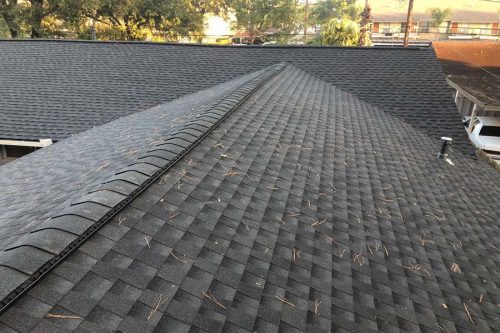
Many homeowners are misinformed about the purpose and value of roof inspections. Believing that inspections are only necessary after visible damage, or that a quick look from the ground is enough, can lead to overlooked issues and expensive repairs. In this article, we’ll address the most common myths about roof inspections, explain why they’re inaccurate, and show how routine professional evaluations help extend your roof’s lifespan and prevent costly damage.

Key Points
- Professional roof inspections are unnecessary expenses when DIY checks can suffice – False, experts identify issues invisible to untrained eyes.
- New roofs don’t need regular inspections for several years – False, all roofs require bi-annual professional assessments.
- Roof inspections are only necessary after severe weather events – False, regular maintenance prevents costly future repairs.
- Insurance will cover any roof damage regardless of maintenance history – False, neglected maintenance often leads to denied claims.
- Annual professional inspections are excessive and wasteful – False, regular inspections can extend roof life and reduce repair costs.
Inspections Are Only Necessary When You Notice a Problem
Why do many homeowners wait until they spot water stains or missing shingles before scheduling a roof inspection? This reactive approach to roof maintenance can lead to costly repairs that we could have prevented through regular inspections.
Think of roof inspections like medical check-ups – they’re essential for catching issues before they become severe problems. We recommend scheduling professional inspections twice a year, typically in spring and fall. During these visits, we’ll identify early warning signs like deteriorating shingles, compromised flashing, or weakened seals around vents. Regular inspections by licensed professionals provide valuable technical expertise and specialized equipment for thorough evaluations of your roof’s condition.
Roof Inspections Are Too Expensive
While many homeowners hesitate to invest in regular roof inspections due to perceived high costs, the typical inspection fee of $200-400 represents a fraction of what major repairs could cost down the line.
Regular roof maintenance isn’t an expense – it’s an investment that prevents costly repairs and protects your home’s long-term value.
We’ve seen countless cases where delayed inspections led to extensive damage, resulting in repairs costing thousands of dollars. When we consider that a thorough inspection can identify minor issues before they become major problems, it’s clear that regular checks are a smart financial decision.
Today’s professional inspections include detailed documentation, thermal imaging, and moisture detection that can spot potential issues invisible to the naked eye.
Let’s remember that many insurance companies offer reduced premiums for homes with documented maintenance records, making routine inspections even more cost-effective in the long run.
Working with top-rated roofers ensures expertise and access to advanced equipment for superior inspection results.
New Roofs Dont Need Regular Inspections
A common misconception leads many homeowners to skip inspections on newly installed roofs, assuming they’re maintenance-free for the first few years. We strongly advise against this practice, as even new roofs can develop issues from improper installation, severe weather events, or manufacturing defects.
Regular inspections of new roofs help us identify potential problems before they escalate into costly repairs. We’ve seen cases where missing flashing, incorrect shingle placement, or poor ventilation – all installation errors – caused significant damage within the first year. These issues often void manufacturer warranties when left unaddressed.
Additionally, many warranty programs actually require routine professional inspections to maintain coverage. By scheduling annual inspections for your new roof, we’re protecting your investment and ensuring your home stays protected for years to come.
DIY Inspections Are Just as Good as Professional Ones
Many homeowners mistakenly believe they can thoroughly inspect their roofs without professional expertise. While we encourage basic roof maintenance awareness, professional inspectors bring specialized knowledge, tools, and training that DIY inspections can’t match.
Timely post-storm roof inspections help prevent devastating water damage and mold growth that untrained observers might miss.
Professional roofers identify issues that aren’t visible to untrained eyes:
A trained roofing expert sees what homeowners miss, spotting hidden damage that could compromise your entire roof system.
- Subtle membrane separations and early-stage delamination that could lead to major leaks
- Complex flashing issues around chimneys, vents, and valleys that require technical expertise
- Hidden structural problems that affect the roof’s integrity and longevity
- Manufacturer warranty compliance issues that homeowners might overlook
We understand the desire to save money, but DIY inspections often miss critical problems that become more expensive when left unaddressed. Professional inspections are an investment that protects your home and prevents costly repairs down the road.
Annual Inspections Are Overkill
Despite common misconceptions, annual roof inspections aren’t excessive – they’re essential for protecting your home’s structural integrity and preventing minor issues from escalating into major problems. Regular inspections help us identify and address concerns before they become costly repairs.
| Inspection Focus | Key Benefits |
|—————–|————–|
| Shingle Status | Catch loose or damaged shingles early |
| Flashing & Seals | Prevent water infiltration risks |
| Gutter Systems | Guarantee proper drainage function |
| Ventilation | Maintain ideal attic airflow |
| Structural Health | Monitor supporting components |
We’ve found that homeowners who schedule annual inspections typically spend 70% less on roof repairs over a 10-year period compared to those who skip them. These regular checkups also help extend your roof’s lifespan by up to 5 years, making them a smart investment in your home’s future. Professional assessments are particularly crucial after severe weather damage to identify potential structural weaknesses that may not be visible to untrained eyes.
All Roof Inspectors Are the Same
The widespread belief that all roof inspectors offer equivalent expertise and qualifications couldn’t be further from the truth. We need to understand that professional roof inspectors vary considerably in their training, experience, and certification levels.
Assuming all roof inspectors are equally qualified is a dangerous misconception that puts your property at unnecessary risk.
When choosing an inspector, we must consider several critical differentiating factors.
- Certified inspectors maintain active licenses and complete ongoing education to stay current with building codes and industry standards
- Experienced professionals carry proper insurance coverage and can provide detailed documentation of past inspections
- Quality inspectors use advanced diagnostic tools like infrared scanning and moisture detection equipment
- Reputable inspectors belong to professional organizations and have verifiable references from previous clients
Let’s remember that selecting a qualified roof inspector isn’t just about price – it’s about protecting our investment and ensuring thorough, reliable assessments. GAF Master Elite contractors, representing only 3% of roofing professionals, demonstrate the highest level of expertise through stringent certification requirements and ongoing professional training.
Insurance Will Cover Any Damage Anyway
We’ve encountered many homeowners who mistakenly believe their insurance will fully cover any roof damage without consequences. Insurance companies often deny claims for damage that could have been prevented through proper maintenance and inspections.
Even when claims are approved, we must consider that deductibles can create significant out-of-pocket expenses before coverage kicks in. Additionally, factors like age of the roof play a crucial role in determining whether insurance will approve replacement coverage.
Deductibles Create Extra Costs
Many homeowners put off regular roof inspections because they believe their insurance will simply cover any damage that occurs, making deductibles seem like an unnecessary extra cost. We want you to understand that this approach often leads to higher expenses in the long run.
Here’s why preventive inspections make more financial sense:
- Insurance deductibles for major repairs typically cost thousands more than routine inspections
- Most policies won’t cover damage from neglected maintenance issues
- Regular inspections help identify small problems before they require filing a claim
- Multiple claims can increase your premium rates or lead to policy cancellation
We’ve seen how proactive roof maintenance helps our clients avoid unexpected deductible costs while preserving their insurance relationship. It’s simply smarter to invest in regular inspections than risk larger out-of-pocket expenses later.
Claims May Get Denied
While homeowners often assume their insurance will automatically cover any roof damage, this belief frequently leads to denied claims and costly out-of-pocket repairs. Insurance companies require proof that you’ve properly maintained your roof through regular inspections and necessary repairs.
We’ve seen countless claims rejected because homeowners couldn’t demonstrate routine maintenance. Your insurance policy typically won’t cover damage from normal wear and tear, aging materials, or neglect. They’ll only approve claims for sudden, unexpected events like storms or falling trees.
That’s why we recommend documenting all roof inspections and keeping detailed maintenance records. When you need to file a claim, these records prove you’ve been a responsible homeowner. This documentation substantially increases your chances of approval and helps protect your investment.
Inspections Take Too Much Time
Despite common misconceptions, professional roof inspections typically take only 45-60 minutes to complete. We understand your time is valuable, which is why our certified inspectors work efficiently while maintaining thorough examination standards.
During this focused inspection window, we’ll systematically evaluate:
- Surface integrity, including shingles, tiles, or metal panels
- Flashing conditions around chimneys, vents, and valleys
- Gutter systems and drainage functionality
- Structural components visible from both exterior and attic views
Our streamlined process maximizes efficiency without compromising quality. We’ve refined our inspection methods to identify potential issues quickly while documenting everything you need to make informed decisions about your roof’s maintenance. By scheduling these brief yet detailed inspections, we’re helping protect your investment and prevent costly repairs down the line. Our manufacturer certified installers ensure each inspection meets the highest industry standards.
My Roof Has a Warranty, So I Dont Need Inspections
We often hear homeowners say they don’t need inspections because their roof has a warranty, but hidden damage can void coverage if it goes undetected for too long. Most warranties have strict limitations and require proof of regular maintenance to remain valid. Let’s examine why consistent professional inspections not only protect your warranty coverage but also help identify potential issues before they become major problems. Regular inspections by licensed, bonded roofers ensure your home stays protected while maintaining valid warranty coverage.
Hidden Damage Goes Unnoticed
Many homeowners mistakenly believe that roof warranties eliminate the need for regular professional inspections. What they don’t realize is that hidden damage often develops gradually, remaining undetected until it’s too late. Even the best warranty won’t protect against issues we can’t see.
Here’s what makes hidden roof damage so concerning:
- Water infiltration can occur for months before interior stains appear
- Structural deterioration beneath shingles isn’t visible from ground level
- Small entry points for pests may develop in fascia and soffits
- Mold and rot can spread extensively inside the attic without surface signs
Professional inspections help us catch these concealed problems early, preventing costly repairs and maintaining warranty validity. By staying proactive with regular checkups, we protect our homes and investments from the unseen threats that warranties alone can’t address.
Warranty Coverage Has Limits
Frequently, homeowners place too much faith in their roof warranty while overlooking its significant limitations. We’ve seen many cases where warranty claims were denied because regular inspections weren’t performed or documented. Let’s understand what warranties typically do and don’t cover.
| Coverage Type | Typically Covered | Not Covered |
|————–|——————|————-|
| Material | Manufacturing defects | Storm damage |
| Labor | Installation errors | Normal wear |
| Workmanship | Faulty construction | Maintenance neglect |
| Extended | Limited repairs | Owner modifications |
We can’t stress enough that most warranties require proof of regular maintenance and inspections. Without these, you’ll likely void your coverage entirely. Even the most extensive warranties exclude damage from severe weather, improper ventilation, or unauthorized repairs. That’s why we recommend professional inspections to maintain both your warranty and your roof’s integrity.
Regular Inspections Protect Warranties
This common misconception about warranties leads many homeowners to skip critical roof inspections, putting their coverage at jeopardy. We’ll help you understand why regular inspections actually protect your warranty coverage and investment.
Most roofing warranties require proper maintenance to remain valid. Here’s what you need to know about safeguarding your coverage:
- Manufacturers often require documented proof of regular professional inspections
- Neglecting inspections can void warranty coverage, even for legitimate damage claims
- Small issues must be addressed promptly to maintain warranty validity
- Insurance companies may deny claims without proper maintenance records
Don’t risk losing your warranty protection by skipping inspections. We recommend scheduling professional roof assessments at least twice yearly to document your maintenance efforts and preserve your coverage. This simple step helps guarantee you’ll have support when you need it most.
Frequently Asked Questions
What Qualifications Should I Look for When Hiring a Roof Inspector?
We recommend hiring roof inspectors with NRCIA (National Roof Certification and Inspection Association) or HAAG certification, as these credentials guarantee thorough training in inspection methods.
Look for professionals carrying current state licenses, liability insurance, and workman’s compensation. They should have at least five years of hands-on roofing experience and provide detailed written reports with photos documenting their findings.
Can Weather Conditions Affect the Accuracy of a Roof Inspection?
Yes, weather conditions can greatly impact our ability to perform accurate roof inspections.
We don’t conduct inspections during rain, snow, or high winds as these conditions can obscure damage and create safety hazards. Clear, dry days provide the best visibility for detecting issues like damaged shingles, flashing problems, or structural concerns. Even heavy dew or frost can make roof surfaces too slippery for thorough examination.
How Can I Prepare My Home for a Professional Roof Inspection?
We recommend taking several steps to prepare for your roof inspection. First, clear your driveway and move vehicles to provide easy access for our equipment.
Inside, remove stored items from your attic so we can inspect the underside of the roof. Trim back any overhanging tree branches, and guarantee all exterior electrical outlets are working.
We’ll also need clear access to your gutters and downspouts for a thorough evaluation.
What Documentation Should I Receive After Completing a Roof Inspection?
After your roof inspection, we’ll provide you with a detailed written report that includes identified damage, photos of problem areas, and recommended repairs.
You should also receive a cost estimate for any necessary work, a timeframe for repairs, and documentation of the inspector’s professional credentials.
Don’t forget to request a copy of their insurance certification and any warranty information for future reference.
Are Drone-Based Roof Inspections as Effective as Traditional Physical Inspections?
While drone inspections offer excellent aerial photography and help identify obvious damage, they can’t fully replace physical inspections.
We’ve found that drones can’t detect subtle issues like membrane adhesion, seam integrity, or underlying structural problems. They’re best used as a complementary tool alongside traditional inspections.
For thorough roof assessments, we still recommend hands-on evaluations where inspectors can physically test materials and examine detailed components.
Takeaway
We’ve dispelled these common misconceptions about roof inspections that often prevent homeowners from protecting their investments. Regular professional assessments aren’t optional luxuries—they’re essential maintenance steps that save money and prevent catastrophic damage. By understanding the true value of expert roof inspections, we’re better equipped to maintain our homes’ structural integrity and avoid costly repairs that preventive care could have prevented.