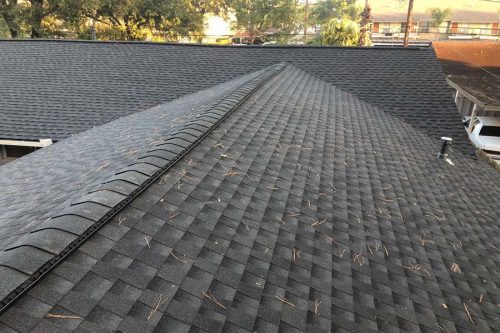
We are aware of how demanding Katy’s storm season can be on our homes, especially our roofs. From fierce winds to heavy rainfall, the threats to our roofing systems are both numerous and serious. That’s why we’ve developed a thorough guide to help you protect your investment and guarantee your roof stands strong against whatever Mother Nature throws our way. Let’s explore the essential steps to stormproof your roof and safeguard your home.

Key Takeaways
- Schedule a professional roof inspection to assess structural integrity and identify vulnerabilities before Katy’s storm season begins.
- Clear gutters and downspouts of debris to ensure proper drainage and prevent water damage during heavy rains.
- Trim overhanging tree branches that could damage your roof during high winds common in Katy storms.
- Replace damaged or missing shingles immediately to maintain roof integrity against severe weather conditions.
- Check and secure all roof flashing and vents to prevent water intrusion during intense storms.
Schedule a Professional Roof Inspection
Before storm season arrives in Katy, scheduling a professional roof inspection is one of the most critical steps you can take to safeguard your home. We recommend having your roof thoroughly examined by a certified roofing contractor who’ll assess its structural integrity, identify potential vulnerabilities, and document any existing damage.
During the inspection, we’ll check for loose or missing shingles, damaged flashing around chimneys and vents, signs of water intrusion, and compromised seals. Our experts will also examine your attic’s ventilation system and guarantee your gutters are properly secured. We’ll provide you with a detailed report of our findings and recommend necessary repairs to fortify your roof against upcoming storms. It’s best to schedule this inspection at least two months before hurricane season begins. Professional inspectors carry liability insurance and proper licensing to ensure your safety during the inspection process.
Clear Gutters and Downspouts
After ensuring your roof’s structural integrity through a professional inspection, the next key step is maintaining clear gutters and downspouts. We’ll need to remove debris, leaves, and other materials that can block proper drainage and cause water damage to your Katy home during storms. Regular post-storm inspections are crucial for identifying and preventing debris accumulation that leads to costly water damage.
| Season | Common Debris | Recommended Action |
|——–|—————|——————-|
| Spring | Flower petals, seeds | Monthly cleaning |
| Summer | Tree leaves, twigs | Bi-weekly check |
| Fall | Heavy leaf buildup | Weekly clearing |
| Winter | Pine needles, dead branches | Pre-storm inspection |
Let’s use a sturdy ladder, wear protective gloves, and remove all blockages by hand or with a small trowel. Don’t forget to flush the gutters with water to verify proper flow and check for any leaks at the seams or connections.
Trim Overhanging Tree Branches
We’ll need to carefully inspect your trees to identify branches that hang over your roof, focusing on those that could snap or fall during high winds and severe weather.
When trimming these hazards, we recommend cutting branches at a 45-degree angle just beyond the branch collar to promote proper healing and prevent disease entry.
Dead limbs pose the highest risk during storms, so let’s prioritize removing those first, particularly any that are directly above your roofline.
Our certified installers can help ensure your roof remains protected through regular maintenance and inspections of surrounding trees.
Identify Dangerous Branches
Taking care of overhanging tree branches should top your storm preparation checklist, as these natural hazards pose considerable risks to your roof’s integrity during severe weather. Let’s examine the key warning signs of dangerous branches that require immediate attention.
| Branch Characteristic | Risk Level | Required Action |
|———————|————|—————–|
| Dead/Diseased | Extreme | Immediate Removal |
| Crossing/Rubbing | High | Selective Pruning |
| Within 10ft of Roof | High | Professional Trim |
| Cracked/Split | Extreme | Emergency Removal |
| Weak Branch Union | Medium | Preventive Cut |
We recommend inspecting your trees quarterly, particularly before storm season arrives. Look for branches that hang directly over your roofline, show signs of decay, or sway extensively during moderate winds. These indicators suggest potential failure points during severe weather conditions, and addressing them promptly will protect your roof from preventable storm damage.
Proper Trimming Techniques
Proper trimming techniques play an essential role in maintaining tree health while protecting your roof from potential storm damage. We’ll want to make clean, angled cuts just outside the branch collar, allowing the tree to heal naturally. Let’s avoid leaving stubs or making flush cuts against the trunk, as these can lead to decay.
For larger branches, we need to use the three-cut method: First, make a partial cut underneath, then a second cut from above slightly further out, allowing the branch to fall cleanly. Finally, we’ll make the finishing cut at the branch collar. It’s best to trim during the dormant season, and we should always use sharp, sanitized tools to prevent disease transmission between trees.
Remove Dead Limbs
Armed with proper trimming knowledge, let’s focus on removing dead limbs – a key priority for roof protection. We’ll need to identify branches that show no signs of life, appear brittle, or have missing bark. These compromised limbs pose the greatest risk during Katy’s severe storms.
When we spot dead limbs overhanging our roofs, we’ll remove them using clean, angled cuts just outside the branch collar. For larger branches, we’ll implement the three-cut method to prevent bark tearing. We should tackle this task during dry weather when limbs are lighter and easier to handle.
Let’s not forget to dispose of the cut limbs properly – we can either mulch them for our gardens or arrange for municipal pickup. Regular removal of dead limbs protects our homes and enhances our neighborhood’s safety during storm season.
Repair or Replace Damaged Shingles
Examining and addressing damaged shingles is a critical step in preparing your Katy home for harsh weather conditions. We’ll help you identify and fix these vulnerable areas before storms arrive.
| Damage Type | Signs to Look For | Required Action |
|————-|——————|—————–|
| Curling | Edges lifting up | Replace shingle |
| Cracking | Visible splits | Replace shingle |
| Missing | Bare spots visible | Install new shingle |
| Granule Loss | Bald patches | Monitor/Replace |
| Water Stains | Dark spots | Check underlayment |
Let’s make certain we address any loose, cracked, or missing shingles immediately. We’ll replace damaged pieces with matching materials and verify proper nail placement. For extensive damage, we recommend professional installation to maintain warranty coverage and guarantee proper sealing. Remember, each compromised shingle creates an entry point for water, potentially leading to serious structural issues during storm season. Consider upgrading to a standing seam metal roof for enhanced durability and storm protection.
Secure Loose Flashing and Vents
The flashing and vents on your roof serve as critical defensive barriers against water infiltration during storms. We’ll need to inspect all metal flashing around chimneys, skylights, and valleys, ensuring they’re properly sealed and firmly attached. Let’s check for any signs of rust, warping, or separation from the roof surface.
We should pay special attention to pipe boots and roof vents, as these components often loosen first during high winds. If we find any caulking that’s cracked or deteriorated, we’ll need to remove it completely and apply new roofing sealant. For loose flashing, we’ll secure it with appropriate roofing nails and weatherproof sealant. Don’t forget to examine the soffit and ridge vents – they’re essential for proper attic ventilation and preventing moisture buildup during Katy’s intense storm season. Our certified roofing contractors can provide comprehensive roof maintenance to ensure your home stays protected year-round.
Reinforce Your Attic
We’ll start inside your attic by inspecting all ventilation points, including soffit vents, ridge vents, and gable vents, to guarantee they’re properly sealed and functioning.
Let’s examine your attic’s structural support beams for any signs of weakness, warping, or water damage that could compromise their integrity during severe weather. We recommend tightening any loose cross braces and reinforcing critical connection points with hurricane ties or appropriate structural hardware to bolster your attic’s storm resistance.
Installing a radiant barrier system can significantly improve your attic’s energy efficiency while providing an extra layer of protection against storm-related temperature fluctuations.
Check Attic Ventilation Points
Proper attic ventilation stands as a critical defense against storm damage in your Katy home. We’ll need to inspect all ventilation points to guarantee they’re functioning correctly and free from obstruction.
We recommend checking these ventilation points quarterly, with special attention before storm season. Poor ventilation can trap moisture and heat, leading to structural weakening that makes your roof more vulnerable during severe weather. When inspecting, we’ll want to validate a balanced airflow ratio between intake and exhaust vents.
Secure Loose Support Beams
Inspecting support beams in your attic serves as a fundamental step in fortifying your roof against Katy’s intense storm seasons. We’ll need to examine each beam for signs of water damage, splitting, or deterioration that could compromise structural integrity during severe weather.
Let’s focus on tightening any loose connections between beams and rafters using appropriate-sized galvanized hardware. We recommend replacing rusted fasteners and adding hurricane straps where necessary to reinforce pivotal junctures.
For cracked or weakened beams, we’ll need to install sister beams – parallel supports that distribute the load more effectively.
Don’t forget to check the collar ties that connect opposite rafters. These indispensable components prevent roof spread during high winds, and we’ll want to confirm they’re firmly secured with proper nailing patterns and metal connectors.
Document Your Roof’s Current Condition
Before proceeding with any roof preparations, it’s essential to create a detailed record of your roof’s existing condition through photos, videos, and written documentation. We’ll help you capture clear images from multiple angles, including close-ups of shingles, flashing, vents, and any visible damage or wear. Let’s make certain we document the gutters, downspouts, and chimney areas thoroughly.
We recommend using your smartphone to record a narrated video walkthrough, describing specific areas of concern while filming. As we document, we’ll note the date of inspection and create a written checklist that includes the age of your roof, previous repairs, and maintenance history. This extensive documentation will prove invaluable when filing insurance claims or tracking changes in your roof’s condition throughout storm season. Our emergency roofing services team stands ready to assist if storm damage occurs during the upcoming season.
Create an Emergency Response Plan
Having a well-structured emergency response plan is critical when severe weather threatens your Katy home. We recommend preparing a detailed strategy that includes immediate actions, contact information, and temporary shelter arrangements. Let’s work together to guarantee your family’s safety and your roof’s protection during storm season.
A well-prepared emergency plan protects both your family and home when storms strike. Don’t wait until severe weather arrives.
Store essential contact details for your insurance provider, trusted roofing contractor, and emergency services in your phone and a waterproof document.
Designate a safe room away from windows and create a clear evacuation route that all family members understand.
Maintain an emergency kit with tarps, plastic sheeting, and basic tools to temporarily secure any roof damage until professional help arrives.
Keep this plan readily accessible and review it with your household regularly, especially as storm season approaches.
Our trained roofing team stands ready to respond quickly and efficiently when storms threaten your home’s integrity.
Frequently Asked Questions
How Long Does a Typical Roof Last in Katy’s Climate?
We typically see Katy roofs lasting 15-25 years, depending on the material and maintenance. Asphalt shingles, the most common choice, generally last 20 years in our humid subtropical climate.
Metal roofs extend to 30-50 years, while tile can reach 50+ years. However, our intense sun exposure, seasonal storms, and high humidity can accelerate wear, making regular inspections essential for maximizing your roof’s lifespan.
What Type of Roofing Material Is Best for Hurricane Resistance?
We recommend metal roofing as the top choice for hurricane resistance, particularly standing seam metal roofs that offer superior wind resistance up to 160 mph.
Clay tiles also perform well in high winds when properly installed with hurricane clips. For maximum protection, we suggest using impact-resistant materials rated for High-Velocity Hurricane Zones (HVHZ), reinforced with proper underlayment and fasteners that meet local building codes.
Does Homeowner’s Insurance Cover Storm Damage to Roofs in Texas?
We find that most Texas homeowner’s insurance policies do cover storm damage to roofs, including damage from wind, hail, and rain.
However, it’s critical to understand that coverage varies by policy type and insurer. We’ll need to review our specific policy’s declarations page, as some insurers may exclude certain types of storm damage or require separate deductibles for wind and hail events.
Let’s document any pre-existing damage and maintain detailed records.
How Much Does It Cost to Storm-Proof a Residential Roof?
We typically see storm-proofing costs ranging from $3,000 to $12,000 for an average residential roof, depending on your home’s size and chosen protective measures.
Basic reinforcements like hurricane straps and clips start at $800-$1,500, while thorough solutions including impact-resistant shingles and waterproof underlayment can reach $15,000.
If you’re adding a complete roofing system with wind-rated materials, expect to invest between $8,000-$20,000.
When Is the Best Time to Schedule Roof Maintenance Before Storm Season?
We recommend scheduling roof maintenance 2-3 months before your region’s typical storm season begins. For most areas, this means planning inspections in early spring or late winter.
We’ll need dry conditions and temperatures above 45°F to properly assess and repair your roof. By getting ahead of severe weather, we’ll guarantee all necessary repairs, sealant applications, and reinforcements are completed while giving materials sufficient time to cure properly.
Conclusion
We’ve outlined essential steps to protect your Katy home during storm season and prepare your roof, from professional inspections to emergency planning. By addressing structural vulnerabilities, maintaining proper drainage systems, and securing critical components, we’re maximizing our roof’s resilience against severe weather. Let’s implement these preventive measures before storms arrive, documenting our roof’s condition and staying prepared with a clear response strategy for weather-related emergencies.