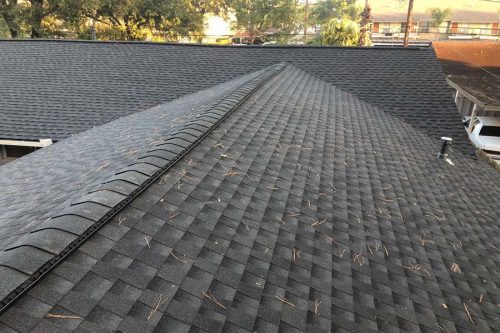
As homeowners, we’ve all experienced that moment of dread when we spot a water stain on the ceiling. It’s a telltale sign that our roof might be failing us. But what exactly causes these leaks? We’re about to explore the common culprits behind roof leaks, from age-related wear and tear to unexpected environmental factors. Understanding these causes isn’t just about satisfying our curiosity; it’s essential for maintaining our homes and preventing costly damage. Let’s uncover the secrets hidden above our heads and learn how to keep our roofs in top shape.

Key Points
- Age-related deterioration causes shingles to dry out, curl, and crack, leading to water infiltration.
- Damaged or missing shingles expose the underlying roof structure to water penetration.
- Improper installation techniques, including gaps and inadequate sealing, allow water to seep through.
- Flashing and sealant failures create weak points where water can enter the roof structure.
- Environmental factors like extreme weather, UV exposure, and poor attic ventilation contribute to roof leaks.
Age-Related Deterioration
As roofs age, they become increasingly prone to leaks due to the natural deterioration of materials. We need to recognize that aging plays a significant role in the development of roof leaks. Over time, asphalt shingles, a common roofing material, dry out and lose their ability to effectively shed water. The petrochemical oils in these shingles gradually evaporate, causing them to become brittle and prone to damage. Regular roof inspections ensure safety, longevity, and cost savings by identifying issues early.
This age-related deterioration manifests in various ways. We’ll notice shingles cracking, curling, and losing granules, which compromises their water-shedding capabilities. As the roof continues to age, we may encounter broken or missing shingles, leaving our homes vulnerable to water infiltration.
To safeguard our investments and maintain leak-free roofs, we must prioritize regular inspection and maintenance. By addressing age-related issues early, we can prevent minor problems from escalating into major leaks. Let’s stay vigilant and proactive in our approach to roof care, understanding that aging is an inevitable process that demands our attention to preserve the integrity of our roofs and homes.
Damaged or Missing Shingles
While age-related deterioration is an important factor in roof leaks, damaged or missing shingles present an immediate threat to a roof’s integrity. We must understand that shingles act as our roof’s first line of defense against the elements. When they’re damaged or missing, we’re exposing our homes to potential water infiltration.
Let’s look at the common issues and their implications:
| Issue | Implication |
|---|---|
| Cracking | Allows water entry |
| Curling | Exposes underlying layers |
| Missing | Direct exposure to elements |
| Aging | Increased brittleness |
We can’t stress enough the significance of routine inspection. By regularly checking our roofs, we can identify problems early and prevent more serious issues. When we spot damaged or missing shingles, immediate repair is vital. Delaying repairs can lead to water infiltration, which may cause extensive damage to our roof’s structure and our home’s interior.
Improper Installation Techniques
Stemming from poor workmanship or lack of expertise, improper installation methods can greatly contribute to roof leaks. We often see gaps in installation, loose shingles, and inadequate sealing, which create opportunities for water infiltration. These issues compromise our roof’s primary function: keeping water out of our homes.
Inadequate flashing installation is a common culprit. When not properly set up, flashing fails to protect vulnerable areas around chimneys, vents, and other roof penetrations, leading to water seepage.
Similarly, poorly secured roofing materials can shift over time, creating openings for water to enter the roof system. Certified with top roofing product manufacturers, our team ensures proper setup to prevent such issues.
We must also consider the importance of correct underlayment placement. When improperly laid, this essential layer can’t effectively repel water, leaving our homes exposed to moisture damage.
Additionally, poor angle or pitch in our roofing materials can cause water to pool rather than run off, increasing the likelihood of leaks.
Flashing and Sealant Failures
Flashing and sealant failures represent pivotal weak points in our roof’s defense against water intrusion. These components are vital in preventing leaks, but they’re often the first to deteriorate or fail. Common issues include cracks, corrosion, or improper installation of flashing, which can lead to significant water infiltration.
Routine post-storm inspections are indispensable in identifying these issues early, preventing water damage and mold growth in your home.
We must be vigilant about the quality of materials used in our roofing systems. Poor quality flashing or sealants can result in premature failure, leaving our homes vulnerable to leaks. Improper installation, particularly around roof penetrations like vents, chimneys, and skylights, creates opportunities for water to bypass our roof’s protective layers.
Sealant deterioration is another frequent culprit. Over time, the sealant can break down, creating gaps that allow water to seep through. To protect our homes, we need to prioritize regular inspection and maintenance of flashing and sealants. By identifying and addressing issues early, we can prevent minor problems from escalating into major leaks.
As responsible homeowners, it’s imperative that we grasp these vulnerabilities and take proactive steps to maintain our roofs. Regular professional inspections and timely repairs are our best defense against the damaging effects of flashing and sealant failures.
Environmental Factors
In spite of our best efforts to maintain our roofs, environmental factors play a pivotal role in causing leaks. We often face challenges from extreme weather conditions, which can wreak havoc on our roofing materials. Heavy rain, wind, and hail can create vulnerabilities, leading to roof leaks and potential water damage.
Over time, we’re all subjected to the relentless effects of UV exposure. This natural phenomenon gradually deteriorates our roofing materials, causing cracks and weakening their protective properties. Additionally, poor ventilation in our attics can trap moisture, exacerbating the risk of water damage to our roof structures.
We must also be mindful of the trees surrounding our homes. Tree branches rubbing against the roof can damage shingles, creating entry points for water. It’s essential that we regularly trim overhanging branches to protect our roofs.
While environmental factors are often beyond our control, we can mitigate their impact through proper installation and maintenance. Ensuring correct installation of roofing materials and flashing helps prevent gaps or weak points that could lead to leaks. By understanding these environmental factors, we can better protect our homes from roof leaks.
Frequently Asked Questions
What Is the Most Common Cause of Roof Leaks?
We’ve found that damaged or improperly installed flashing is the most common culprit behind roof leaks. Let’s address this issue together. By regularly inspecting and maintaining our flashing, we can prevent costly water damage to our homes.
How to Find the Cause of a Roof Leak?
Let’s investigate our roof leak together. We’ll start by checking for water stains and dampness in the attic. Then, we’ll examine shingles, flashing, and gutters. Don’t forget to inspect valleys, skylights, and vents for potential issues.
Is It Normal for a Roof to Leak in Heavy Rain?
We shouldn’t consider roof leaks during heavy rain normal. While intense storms can challenge even well-maintained roofs, persistent leaks indicate underlying issues. Let’s address these problems promptly to protect our homes and maintain their integrity.
Where Is a Roof Most Likely to Leak?
We often find that roofs are most likely to leak in valleys, around chimneys and vents, and near skylights. Let’s not forget about damaged shingles or clogged gutters, which can also cause problems for us homeowners.
Takeaway
We’ve explored the main culprits behind roof leaks, from Father Time’s relentless march to Mother Nature’s fury. Understanding these causes is essential for maintaining a watertight roof. Regular inspections and prompt repairs are our best defense against water infiltration. By addressing age-related issues, damaged shingles, installation errors, flashing failures, and environmental impacts, we’ll keep our roofs in top condition. Let’s stay vigilant and proactive to guarantee our homes remain dry and secure.